
Commercial Project Types
Multi-Tenant Retail Strip Roofing in Midland, TX
Managing Shared Roofs Across Multi-Tenant Retail Strip Centers
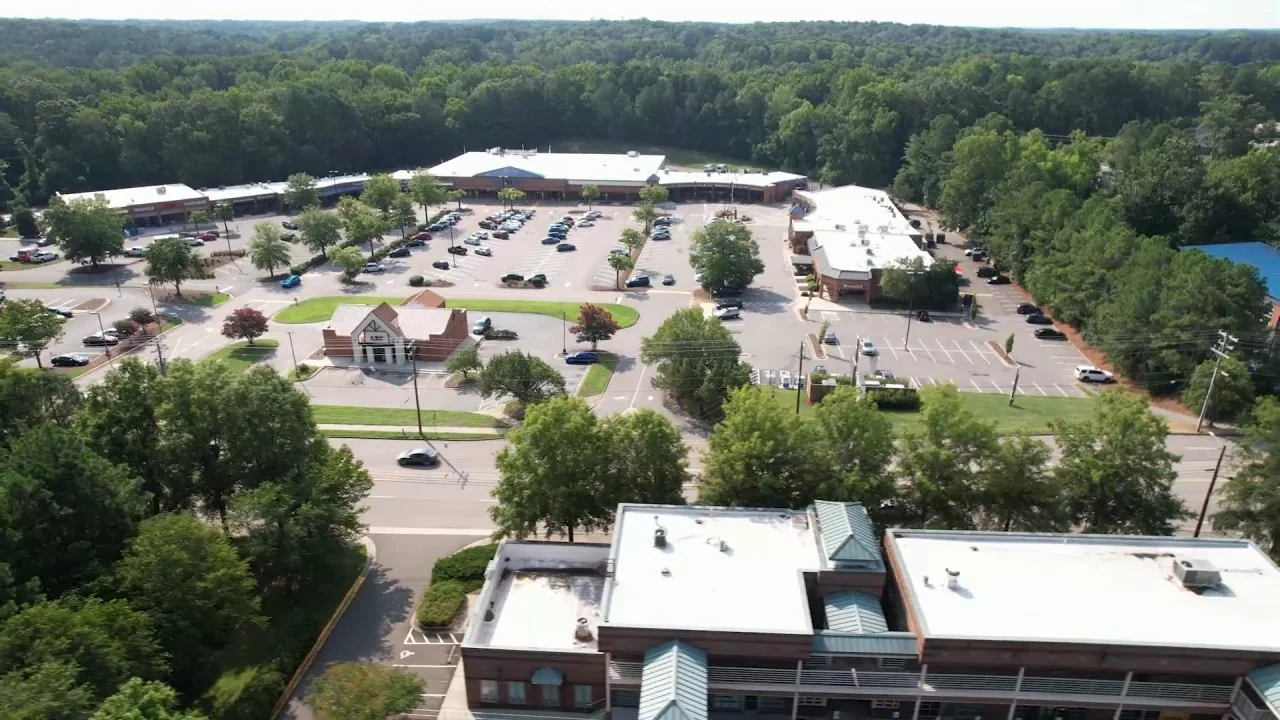
Retail strip centers along Midland's highway frontage roads and the busier stretches of Loop 250 typically operate under one continuous roof shared by multiple independent tenants, each running different hours, different rooftop equipment, and often different lease terms for who is actually responsible for roof maintenance. That shared structure creates roofing problems that a single-tenant building simply does not have.
One Membrane, Many Tenants, Many Rooftop Penetrations
A strip center roof usually carries a separate rooftop HVAC unit for each tenant space, plus individual roof penetrations for exhaust, plumbing vents, and occasionally signage conduit run up through the roof deck rather than through the storefront. Each of those penetrations was likely installed at a different time by a different contractor working for a different tenant, and the flashing quality across those penetrations on an older strip center varies considerably from one unit to the next.
When a leak shows up inside one tenant's space, the water intrusion point on the roof above is not always directly overhead, since water travels along the underside of the membrane or along structural members before finding its way through a ceiling. We trace leaks methodically across the roof rather than assuming the interior damage location and the roof penetration are in the same spot, which is a common mistake that leads to repeated failed repair attempts on strip center roofs.
Shared Parapet and Common Area Liability
The parapet wall running along a strip center's front and rear elevations is a shared building element even though individual tenant spaces below it are leased separately, and coping or parapet flashing failures at any point along that shared wall can send water into whichever tenant space happens to sit beneath the failure point. Property managers overseeing these centers need clarity on which roof elements are common area, maintained under charges billed across all tenants, versus which penetrations are tenant-specific and the responsibility of whichever tenant added that piece of equipment.
- Leak tracing that accounts for water travel along the membrane underside before assuming direct overhead location
- Penetration inventory distinguishing common area roof elements from tenant-added equipment
- Coordination with property management on shared-cost roof maintenance versus tenant-responsible repairs
- Flashing quality audit across penetrations installed by different contractors over time
- Roof access scheduling that avoids disrupting retail operating hours across multiple tenants at once
Coordinating Roof Access Across Independent Tenant Businesses
Getting rooftop access and equipment onto a strip center roof for repair or replacement work means coordinating with however many tenants are actually operating in the center, each with different hours and different tolerance for noise or parking disruption during business hours. A restaurant tenant running lunch service has different scheduling needs than a retail tenant open standard business hours, and we work with the property manager to sequence work in ways that minimize disruption across the mix of businesses operating in the center at once.
Tenant Turnover and Its Effect on Roof Condition
Strip center tenant spaces turn over more frequently than the anchor spaces in a larger shopping center, and every tenant transition is an opportunity for a new HVAC unit, a new exhaust fan for a restaurant buildout, or new equipment to be added to the roof by whichever contractor the incoming tenant hires. We recommend property managers require a roofing review as part of any new tenant buildout permit process, since an improperly flashed penetration added during a tenant buildout is one of the more preventable causes of roof leaks we get called to diagnose after the fact.
Reroofing a Strip Center Without Displacing Tenants
A full reroof or recover project on an occupied strip center needs to keep every tenant's business open throughout, since closing even one unit for construction access creates a real financial impact for that tenant and a real conflict for the property owner managing that relationship. We sequence tear-off and membrane work section by section across the roof, coordinating which section is worked on which day with which tenant spaces are directly below, so that no single tenant experiences an extended period of construction noise or debris risk overhead.
Questions From Strip Center Owners and Property Managers
Why is it hard to find the source of a leak on a multi-tenant roof?
Water often travels along the membrane underside or structural members before showing up inside a tenant space, so the interior damage location and the actual roof penetration causing it are frequently not in the same spot.
Who is responsible for roof repairs on a strip center, the tenant or the landlord?
It depends on whether the issue involves a common area roof element like the parapet and membrane field, typically landlord-funded, versus a tenant-specific penetration like an HVAC unit or exhaust fan the tenant added themselves.
Can a reroof happen without closing any tenant businesses?
In most cases yes, by sequencing the work section by section and coordinating which day's work happens above which tenant spaces, avoiding extended disruption to any single business.
Should new tenant buildouts include a roofing review?
We recommend it as standard practice, since new rooftop equipment or penetrations added during a tenant buildout are a common and preventable source of future leaks if not flashed correctly from the start.
How often should a multi-tenant strip center roof be inspected?
At minimum annually, plus after any significant hail or wind event, with particular attention to penetration flashing since that varies the most across a roof serving many independently equipped tenant spaces.